INDUSTRY
Banking & Fintech
PLATFORM
Web, Android, iOS
PROBLEM SPACE
Design System and Platform Infrastructure
YEAR
2022 to 2025
JOURNEY
Foundation and Scale
STAKEHOLDERS
Design, Engineering, Product
The
Impact
PLATFORM ADOPTION
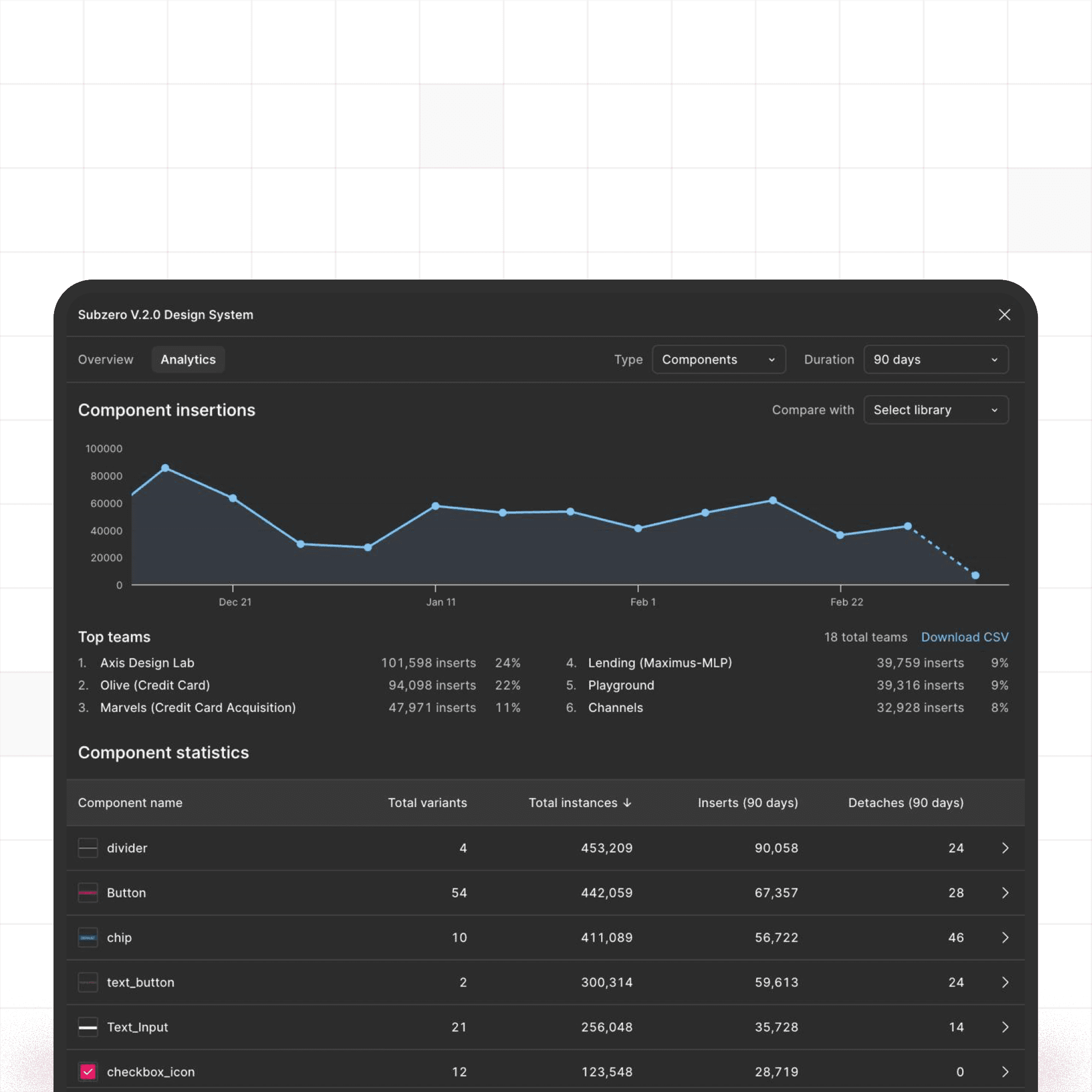
1.2M+ component inserts
in FY 23–24
Adopted widely across internal teams and 1.2K+ Figma community users, establishing Subzero as the default design system across Axis Bank’s ecosystem.
SPEED TO MARKET
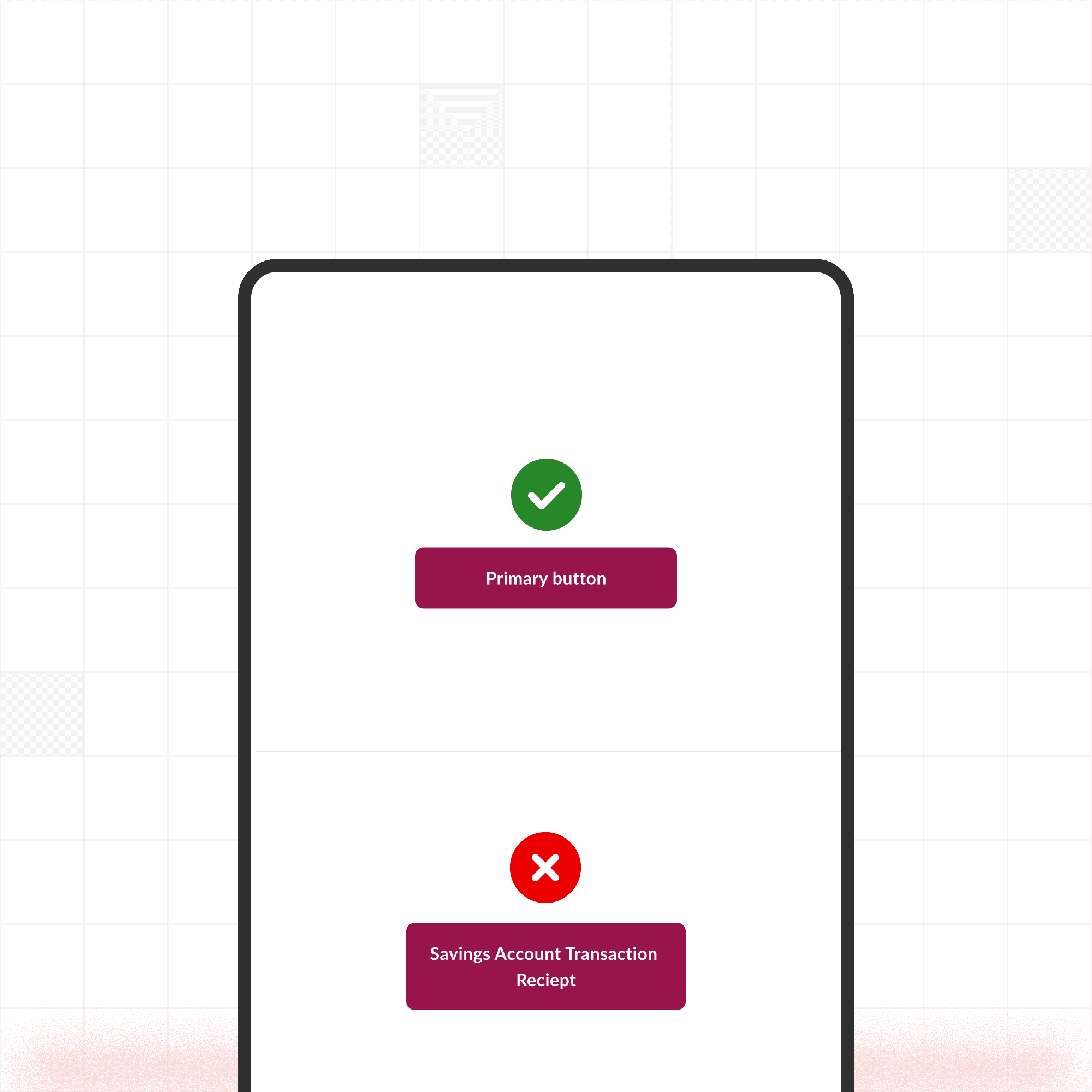
30% reduction in design to
development time
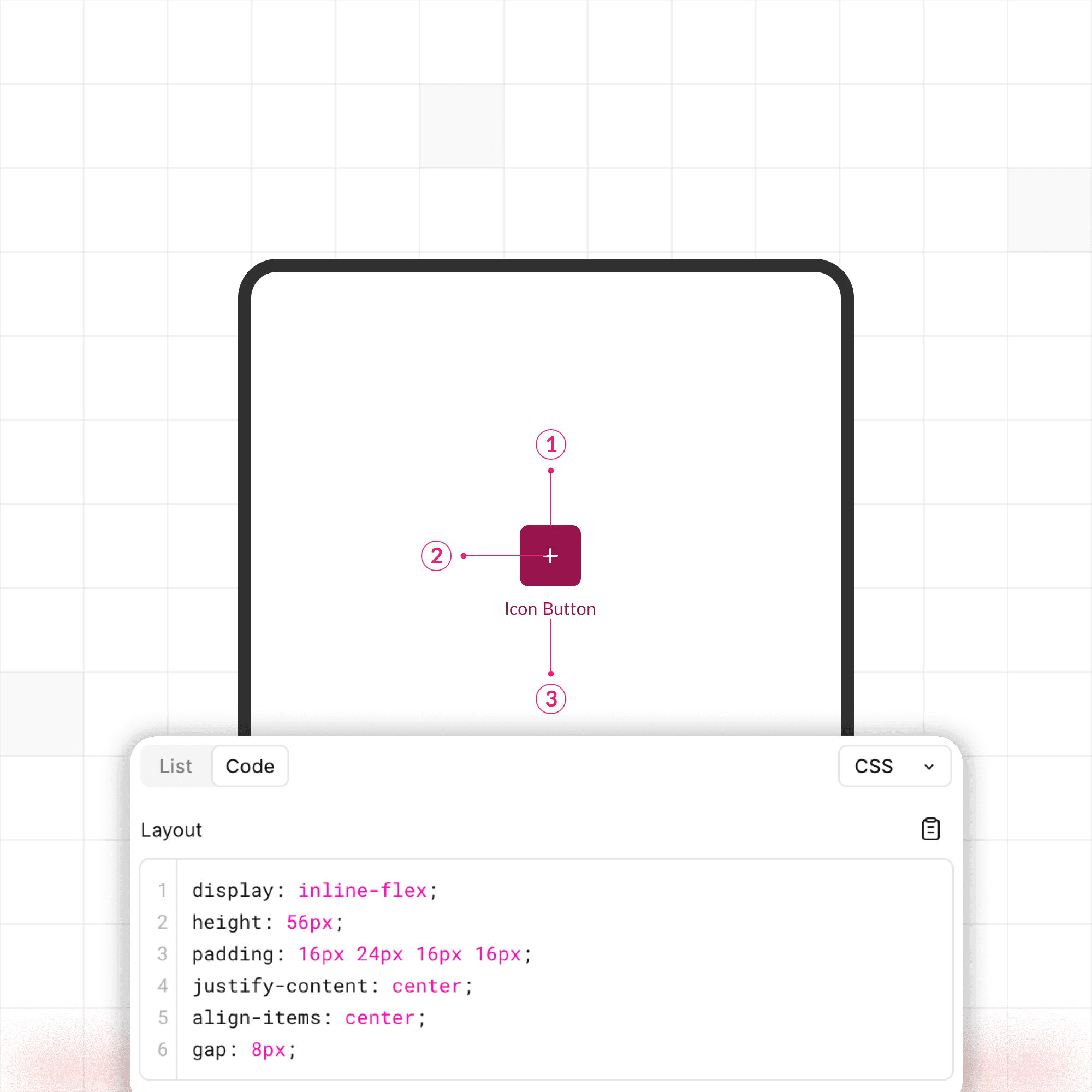
Structured tokens and reusable design patterns for common flows such as login and OTP significantly reduced front-end build effort.
ENGINEERING EFFICIENCY
~50% reduction in
developer effort
Component-level constraints and predefined state logic reduced repetitive condition handling and minimized custom implementation.
Project
Overview
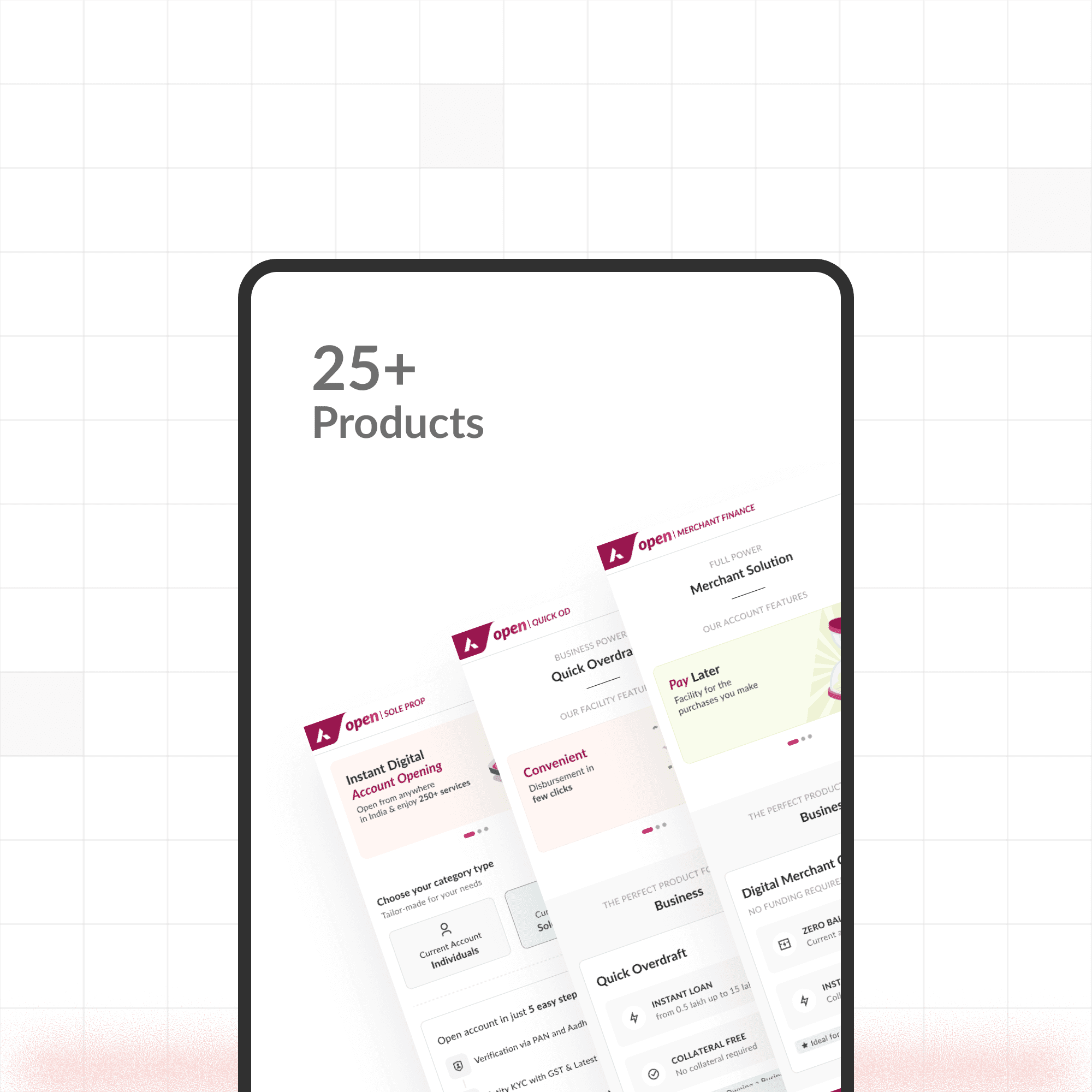
Axis Bank operates at massive digital scale, with millions of customers transacting across web and mobile platforms daily. At this scale, consistency and accessibility are not design preferences. They are infrastructure requirements.
When Subzero was handed over to me in 2022, it functioned more like a visual style guide than a governed design system. Designers across pods were mixing grayscale values inconsistently, components showed zero usage in Figma analytics, and typography scales lacked structural hierarchy. On the engineering side, tokens were not packaged or consumable, resulting in hardcoded hex values and fragmented implementation patterns.
As the bank accelerated its digital transformation, this fragmentation began to create visible design debt and engineering inefficiencies across products.
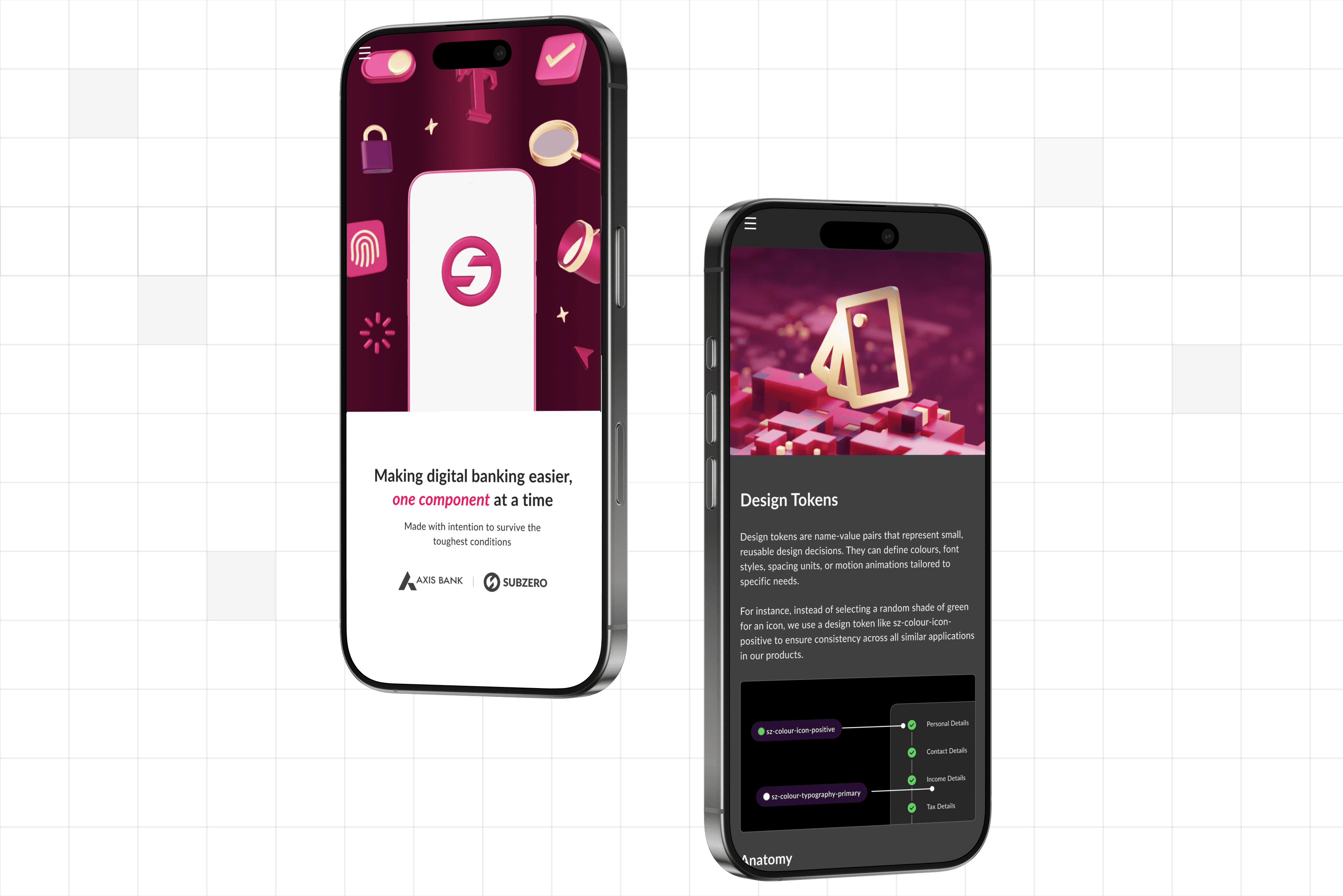
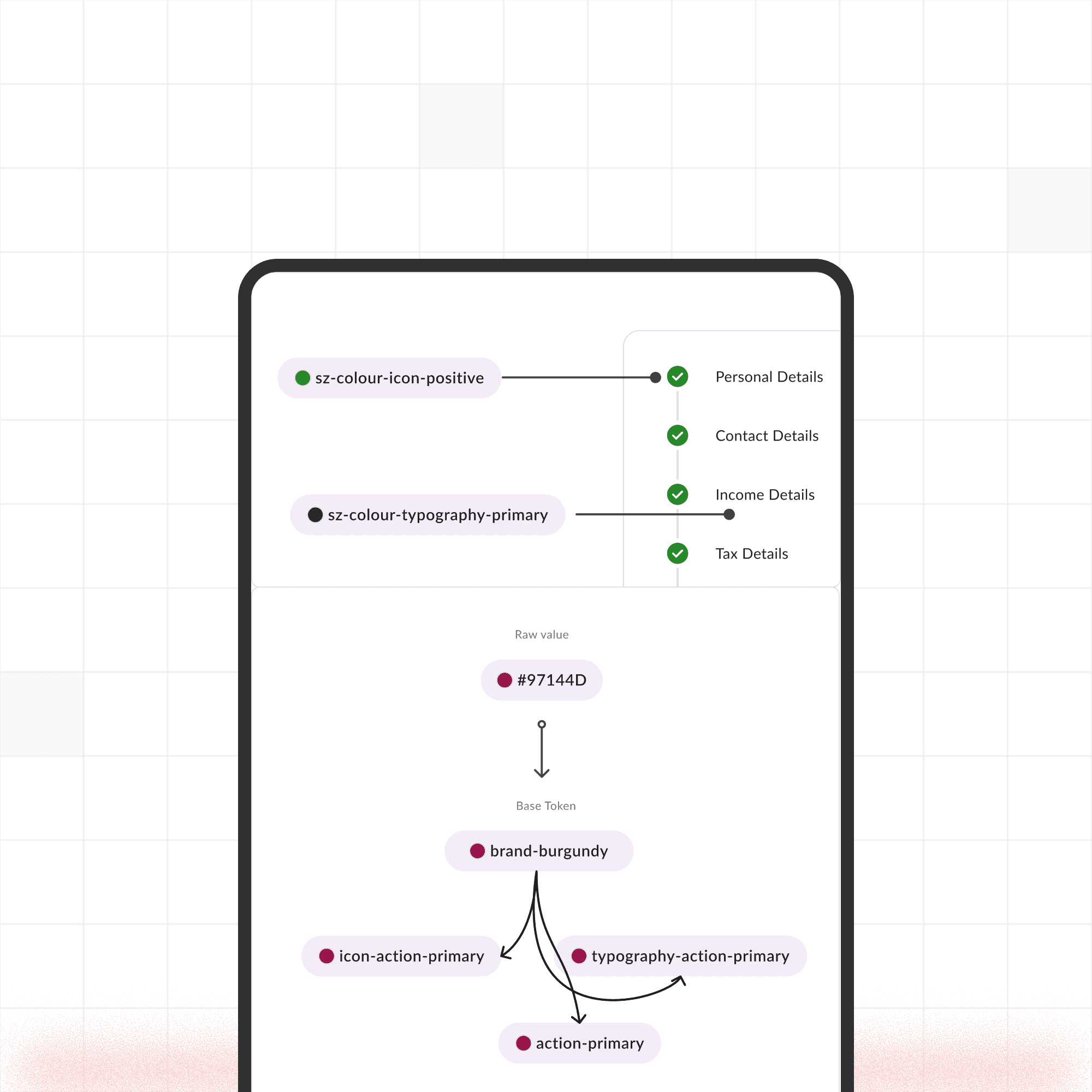
Subzero 2.0 was not a visual refresh. It was a foundational rebuild. Typography was simplified into a structured hierarchy, color tokens were redefined semantically based on usage rather than shade values, and component logic was standardized across web, Android, and iOS.
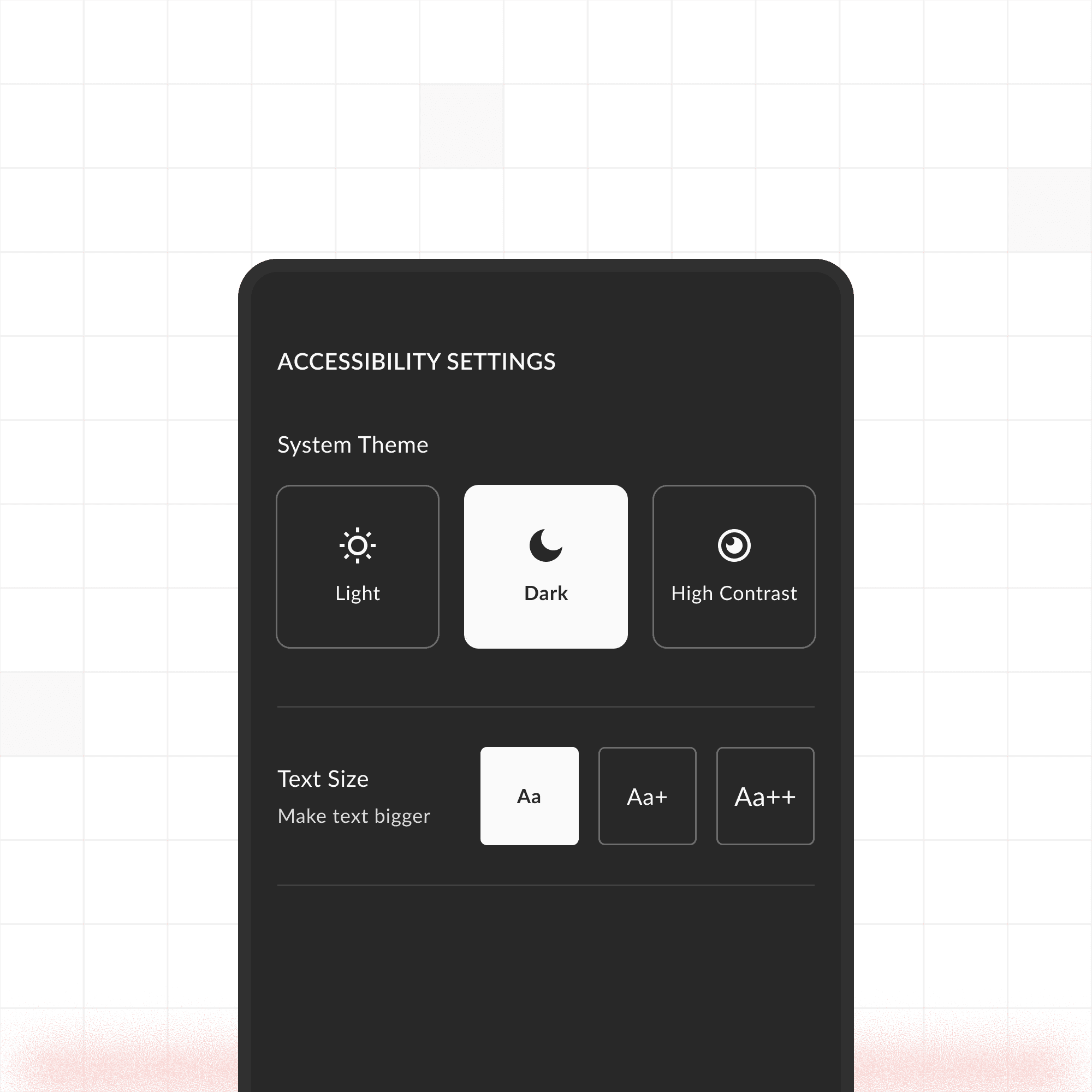
Accessibility was treated as a core system principle. Data visualization color palettes were validated through in-depth usability testing with users across protanopia, deuteranopia, and tritanopia to ensure real-world distinguishability. Dark theme, high contrast theme, and scalable typography were built into the system foundation to support inclusive design at scale.
Subzero 2.0 evolved from a loosely governed library into a structured design and engineering infrastructure powering digital products across Axis Bank’s ecosystem.
My Role &
Team
The Team
Rhythm Gauba ( Design )
Arushi Shukla ( Design )
Raaghav Laxman ( Design )
Vibhor Dwivedi ( Design )
Himanshu Bharti ( Design )
Ankit Gandhi ( Web )
Akshat ( Web )
Mohit Ajwani ( Android )
Dharmender ( IOS )
The
Outcome
The
Feedback